
Medical couriers move blood, urine, tissue, medications, and medical records between hospitals, labs, clinics, and patients. It is one of the fastest-growing niches in delivery work, and it pays better than standard package delivery. But most people considering the career have no idea what training they actually need, what equipment matters, or how to land the first contract.
This guide walks you through the whole process: the qualifications you need, the certifications that matter (and the ones that don’t), the equipment worth spending on, how to find work, and a realistic 30-day plan to get started. It draws on 40+ years of experience in specimen transport and DOT/OSHA compliance.
If you are considering this career, or if you already drive for other delivery work and want to move into medical, this is written for you.
What a medical courier actually does
A medical courier is not a regular delivery driver. You move specimens (blood, urine, tissue, cultures), pharmaceuticals, medical documents, and sometimes equipment or organs between hospitals, laboratories, doctors’ offices, pharmacies, and homes. A typical day might include scheduled morning lab runs, on-demand STAT pickups from clinics, and after-hours lockbox routes.
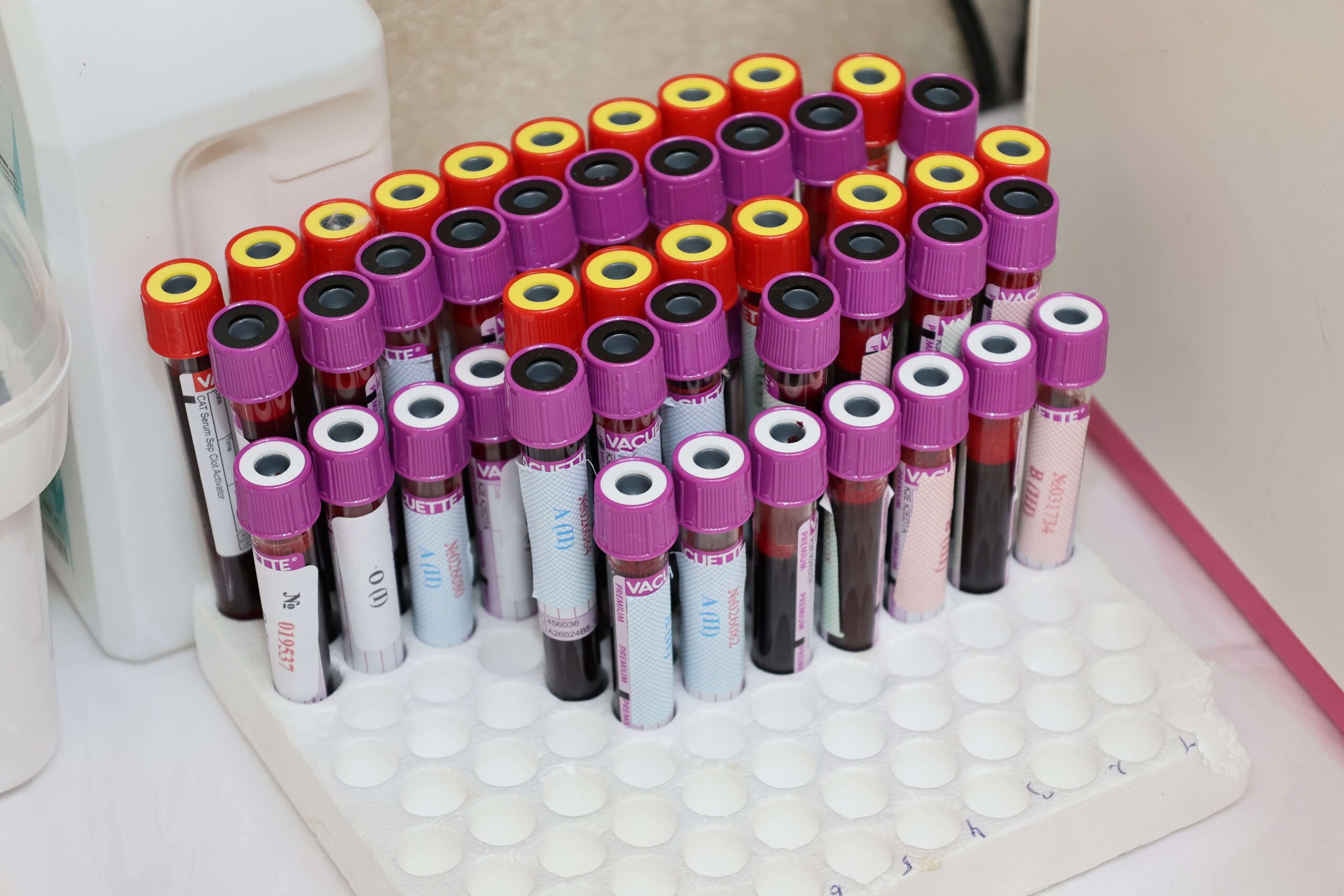
What separates this from standard delivery is the level of responsibility. You are handling material that has to arrive at a specific temperature, within a specific time window, without breaking chain of custody, and without exposing you or anyone else to biohazards. You also have HIPAA obligations, which means the paperwork on your clipboard and the labels on your specimens are subject to the same privacy laws that apply inside a hospital.
Is this the right career for you?
Medical courier work suits people who like being on the road, working alone, and following procedures precisely. If any of these describe you, you will probably thrive:
- You are reliable and punctual (labs run on schedules; a late pickup can invalidate a test)
- You are comfortable working independently, without a supervisor watching
- You are detail-oriented (missing a signature, mixing temperature zones, or dropping a sample all have real consequences)
- You can physically handle coolers up to 40 pounds and sit for extended periods
- You are calm around biohazards and comfortable following safety protocols
It probably is not right for you if you want a lot of face-to-face customer interaction, or if you need a strict 9-to-5 schedule (most routes include early mornings, evenings, or weekend shifts).
Basic requirements
Before anything else, make sure you meet the baseline every courier company and lab will ask about.
- Age: 21 or older for most contracts. Some independent work is available to drivers 18 and up.
- Education: High school diploma or GED.
- Driver’s license: Valid, with a clean record. Most contracts want 3 to 5 years of clean driving history.
- Vehicle: Reliable, insured, with enough cargo space for three coolers and equipment. Some contracts require commercial auto insurance.
- Background check: Almost universal. Covers criminal history and driving record.
- Drug screening: Standard.
- Physical: Ability to lift up to 40 pounds, sit for long stretches, and work outdoors in any weather.
If any of these are dealbreakers, address them before you start applying. Nothing wastes more time than getting to the interview stage and washing out on a background check you could have anticipated.
The training and certifications you actually need
Here is where most guides get vague. There is no single universal “medical courier license” issued by the government. What labs and courier companies actually ask for is documented completion of a few specific training programs.
The three that matter for almost every role:
OSHA Bloodborne Pathogens (BBP) training. Federally required annually for anyone with potential occupational exposure to blood or other potentially infectious materials. Covers how bloodborne pathogens (HBV, HCV, HIV) can be transmitted, how to use personal protective equipment, and how to respond to an exposure incident.
DOT ground-transport training for infectious substances. The U.S. Department of Transportation regulates how infectious substances move. Most medical couriers operate under the “material of trade” exception, which is a specific carve-out that lets couriers transport diagnostic specimens without the fuller hazmat certification (as long as certain packaging and quantity limits are followed). You need to know what that exception is, what it allows, and what falls outside it.
HIPAA compliance training. Courier work exposes you to patient records, lab requisitions, and other protected health information. HIPAA privacy rules apply to you the moment you touch that paperwork.
Two more you might need depending on what you carry:
- Category A infectious substance certification if you plan to carry the most dangerous specimens (rare for most couriers, but check with any lab that would ask you to)
- IATA dangerous goods training if you are shipping specimens by air
You can get all of this three ways: in-person community college courses (thorough but slow and expensive), live webinars (good but scheduled), or online self-paced courses (fastest and cheapest, which is why most independent couriers go this route).
For the online self-paced route, our own Medical Courier Certification course is a 17-minute video plus a 15-question quiz that covers OSHA BBP, DOT ground transport, and specimen handling for $35 with an instant certificate. For HIPAA specifically, our $9 HIPAA Compliance course is a common add-on. Neither is required by name (labs care that you completed valid training, not that it came from us specifically), and there are other providers offering similar courses at similar prices. Compare features and pick what fits.

The equipment you’ll need
This is where new couriers over-buy in some areas and under-buy in others. Here is what actually matters.
Three coolers, one for each temperature. Ambient, refrigerated, and frozen specimens each need their own container. Never mix. If a lab asks you to transport blood at refrigerated temperature and a urine sample at ambient, those are two separate coolers in your vehicle.
Cold packs and dry ice. Ice packs are for refrigerated specimens. Dry ice is for frozen specimens. Handle dry ice with gloves (bare-skin contact causes burns), keep the container lid closed while driving, and crack your windows because dry ice displaces oxygen in enclosed spaces.
A spill kit. Required by OSHA for exposure response. This is the single most important piece of gear a new courier can own, and it is also the one people skip because they think they will not need it. You will need it eventually.

PPE. Latex or nitrile gloves at a minimum. Inspect them before use; discard any with tears or punctures.
Documentation supplies. Clipboard, pens, and a phone or tablet for electronic signatures and route apps.
Vehicle basics. GPS or navigation app, phone mount, first-aid kit for yourself.
The two pieces of gear new couriers most commonly under-invest in are proper coolers and a real spill kit. Both are OSHA-relevant. HighQ Plus makes both: Courier Totes for standard runs, Car Caddies for high-volume routes, and a Mini Biohazard Spill Clean-up Kit that fits in a glovebox. If you can only buy one thing before your first run, buy the spill kit.
How to find your first contracts
Most guides skip this section. It is the one that actually determines whether you become a working medical courier or just a certified one.
You have two paths:
Employee (W-2 driver) roles first. Most people who eventually run their own routes started at a local or regional medical courier company as an employee. It is a faster on-ramp because the company handles insurance, dispatch, and account management. You learn the business without carrying the business risk. Pay is lower, but so is your startup investment.
Independent contractor or owner-operator. More freedom, more upside, more overhead. You need business registration (usually an LLC), commercial auto insurance, general liability coverage, and either your own client relationships or a spot on an independent contractor network.
Wherever you find work, these are the channels worth checking:
- Local hospitals, labs, and clinics. Call and ask who handles their courier work. Sometimes it is a national company; sometimes it is a local operation looking for drivers.
- Regional courier companies. Search “medical courier [your city]” and you will find the operators. Most have a “drive for us” or careers page.
- National platforms. Dropoff, Cargo, Onward, Roadie, and similar operate in many metros and often have on-demand medical work.
- Independent contractor networks. OpenForce and SCI are the two most common back-office platforms for independent medical couriers.
- Industry associations. The CLDA (Customized Logistics & Delivery Association) and ECA (Express Carriers Association) both have member directories that include a lot of medical courier operators.
What labs and companies actually screen for: documented training, clean background check, a reliable and appropriately insured vehicle, professional demeanor, and (for independents) proper business setup.